HistoryUNESCO
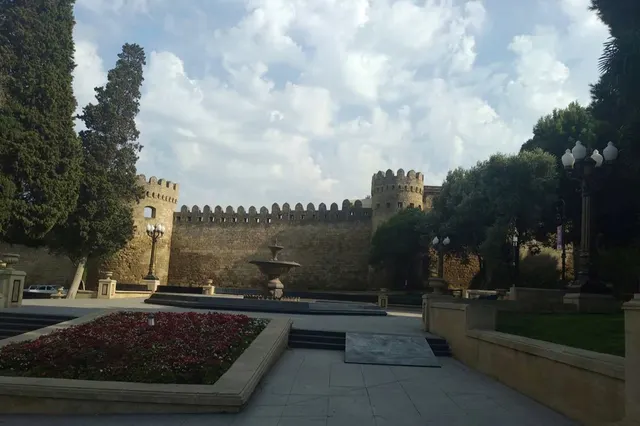
Old City (Icherisheher)
Baku's medieval core, ringed by 12th century walls and listed by UNESCO in 2000. A maze of narrow lanes with mosques, caravanserais, hammams, small museums, galleries and cafes.

The places worth seeing in Baku and around Azerbaijan, with plans for 1, 3, 5 and 7 days.
Ready plans from one day in Baku to a week around the country. Open one to see the stops of each day.
Day 1 · Old City and the seafront
Tickets for the Old City museums are sold at the tourist information points at the Maiden Tower and the Shirvanshahs' Palace. Go up to Highland Park at sunset to see the Flame Towers light up.
Day 1 · Old City and the seafront
Tickets for the Old City museums are sold at the tourist information points at the Maiden Tower and the Shirvanshahs' Palace. Go up to Highland Park at sunset to see the Flame Towers light up.
Day 2 · Gobustan and the mud volcanoes
Start early for Gobustan, about 60 km south of Baku, and see the Heydar Aliyev Center on the way back.
Day 3 · Absheron fire and history
The combined ticket for Yanar Dag and Ateshgah costs 25 AZN and is valid for 72 hours. Leave Yanar Dag for the evening, when the flames look best.
Day 4 · Beshbarmag and Guba
Most of the Baku to Guba highway is a toll road; get the chip card at the entrance. The museum in the Red Village closes at 14:00 on Fridays and does not list Saturday hours.
Day 5 · Khinalug or Shahdag
Khinalug lies at about 2,000 metres, so bring warm layers even in summer.
Day 1 · Old City and the seafront
Tickets for the Old City museums are sold at the tourist information points at the Maiden Tower and the Shirvanshahs' Palace. Go up to Highland Park at sunset to see the Flame Towers light up.
Day 2 · Gobustan and the mud volcanoes
Start early for Gobustan, about 60 km south of Baku, and see the Heydar Aliyev Center on the way back.
Day 3 · Absheron fire and history
The combined ticket for Yanar Dag and Ateshgah costs 25 AZN and is valid for 72 hours. Leave Yanar Dag for the evening, when the flames look best.
Day 4 · Shamakhi and Lahij
Lahij is about 3 hours from Baku by car; stay the night in Ismayilli or Gabala.
Day 5 · Gabala
Day 6 · Sheki
Try a night in the Upper Caravanserai, an 18th century inn that still works as a hotel.
Day 7 · Back to Baku
There is a Baku to Gabala train if you prefer not to drive back.
Baku's medieval core, ringed by 12th century walls and listed by UNESCO in 2000. A maze of narrow lanes with mosques, caravanserais, hammams, small museums, galleries and cafes.
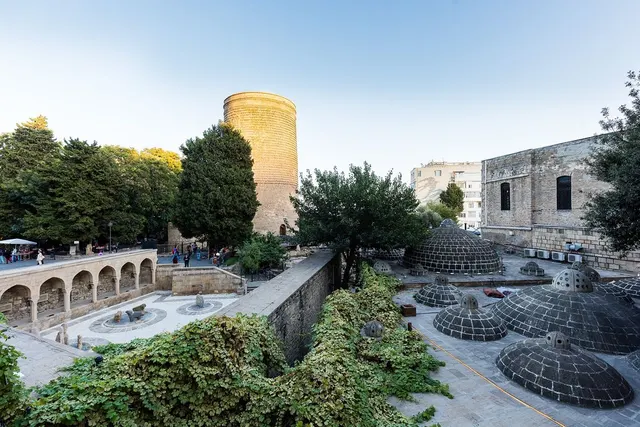
A massive stone cylinder on a rock by the old shoreline, 28 to 31 metres high with walls up to 5 metres thick. Its age and purpose are still debated. Part of the UNESCO listed Old City.
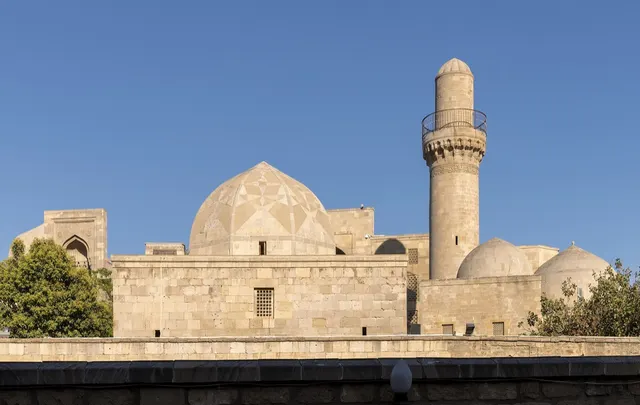
The 15th century residence of the Shirvanshah dynasty, at the top of the Old City. The complex includes the palace, a mosque, a mausoleum, a bathhouse, the divankhana and a gate.
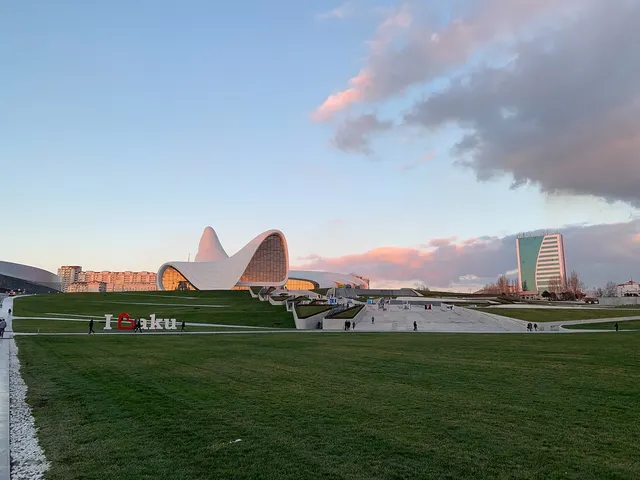
Zaha Hadid's flowing white building, opened in 2012, has no straight lines and won the London Design Museum's Design of the Year in 2014. Inside are exhibitions, a Mini Azerbaijan display and classic cars; outside is a large park.
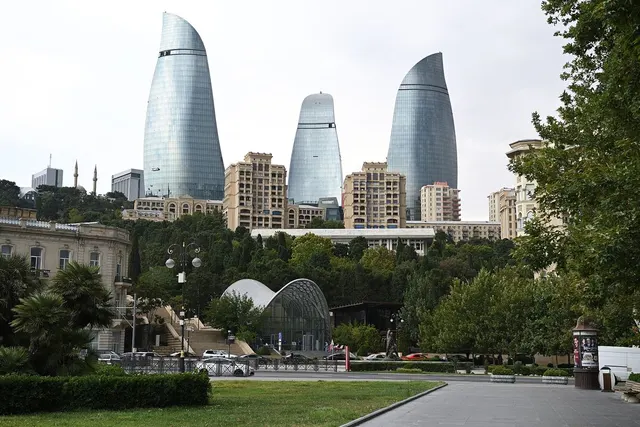
Three flame shaped skyscrapers that dominate Baku's skyline, with a hotel, apartments and offices. At night some 10,000 LED lights turn the facades into flames. Best seen from the Boulevard and Highland Park.
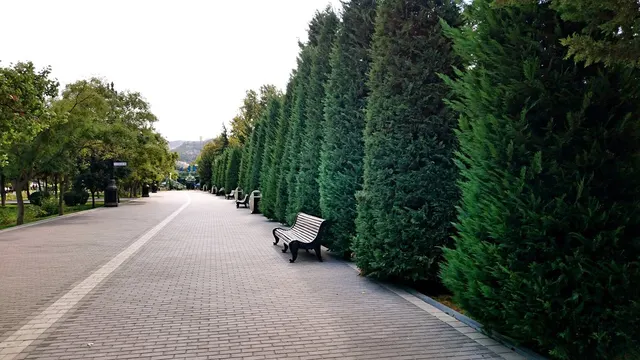
A seaside promenade founded in 1909 along the Caspian, with trees, cafes and views of Baku Bay. Along it are the Carpet Museum, the Baku Eye, Little Venice canals and short boat trips.
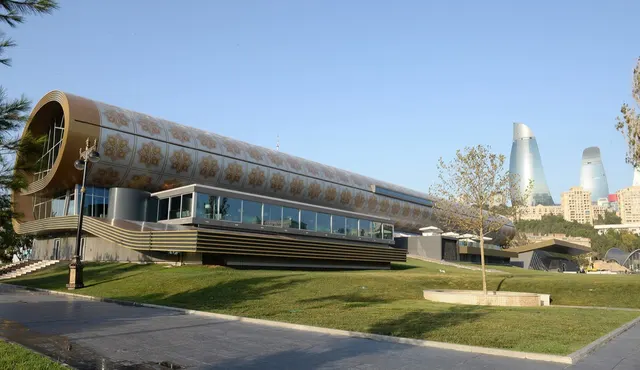
Housed on the Boulevard in a building shaped like a rolled carpet, opened in 2014. It holds the world's largest collection of Azerbaijani carpets, over 6,000, mostly from the 17th to 20th centuries. Carpet weaving is on UNESCO's intangible heritage list since 2010.
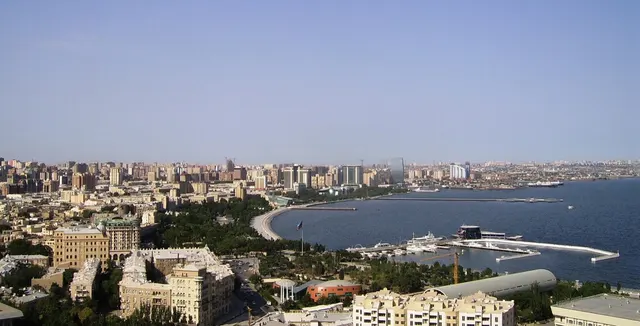
Baku's best viewpoint over the bay, the Old City and the Flame Towers. Especially beautiful at sunset and after dark. Reach it by the Baku Funicular or by car.
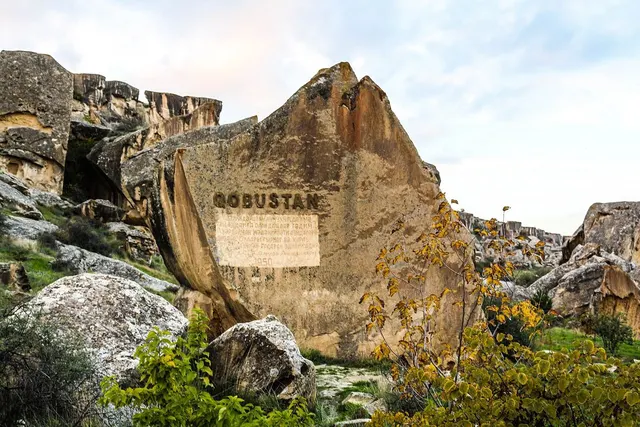
A reserve with over 6,000 petroglyphs made between 5,000 and 20,000 years ago, showing hunters, animals, boats and dances. A UNESCO World Heritage Site since 2007, with a modern museum at the entrance.
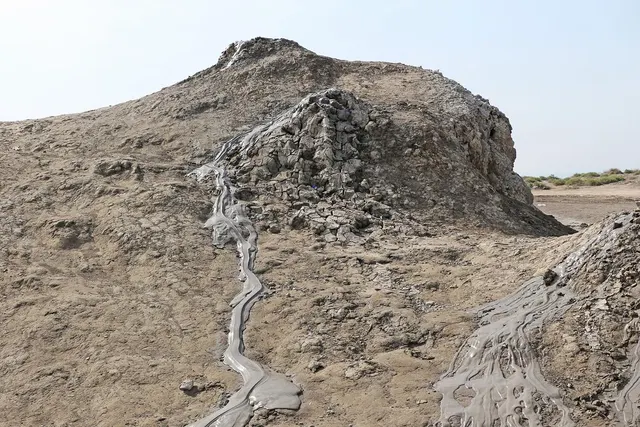
Azerbaijan has about 350 recorded mud volcanoes, bubbling cones of cold mud pushed up by underground gas. The Mud Volcanoes Tourism Complex near Gobustan has an information centre, exhibitions and quad bike or golf cart tours.
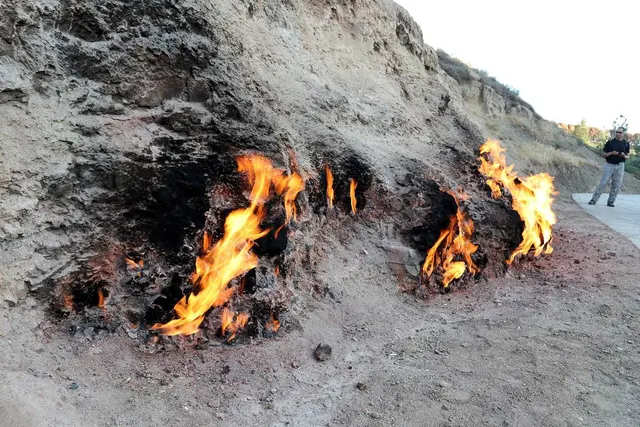
Natural gas seeping from a hillside has kept flames burning here for thousands of years, sometimes up to 10 metres high. Marco Polo described them in the 13th century. The reserve has a modern museum and is most striking after dark.
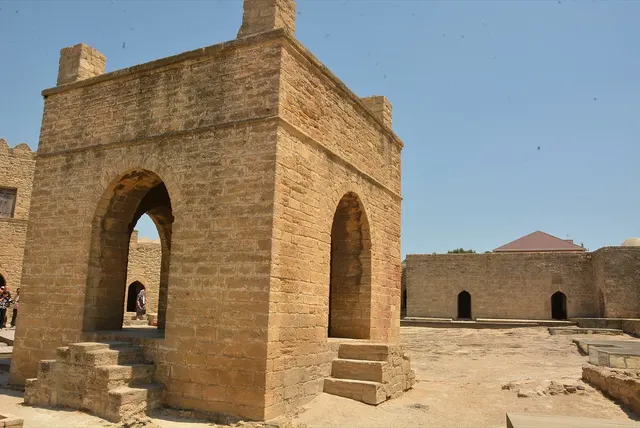
A fire temple in Surakhani, used as a place of worship by pilgrims from India in the 17th and 18th centuries. Today it is an open air museum and on UNESCO's Tentative List since 1998.
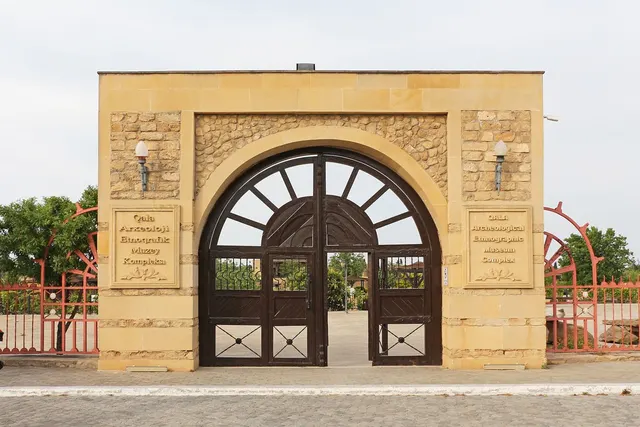
An open air museum of more than 81 hectares with finds from the 3rd and 2nd millennia BC, a 14th century fortress and a recreated medieval village. A second museum shows art made from waste, and there are craft masterclasses.
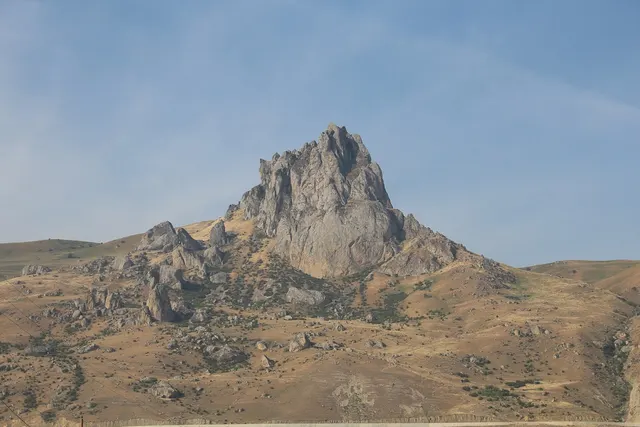
A 382 metre rock named Five Finger Mountain for its shape, a place where locals come to pray for strength and good luck. The climb gives wide views of the Caspian, and the area is a top birdwatching spot.
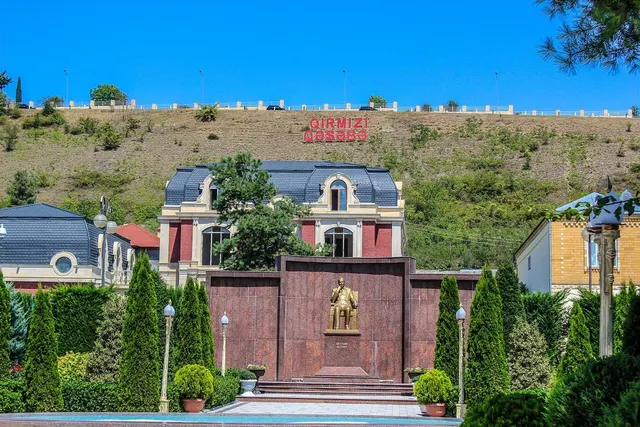
A Mountain Jewish settlement across the river from Guba. The museum, in the former Garchagi Synagogue, shows everyday life of the community in the 19th century, with tours in several languages.
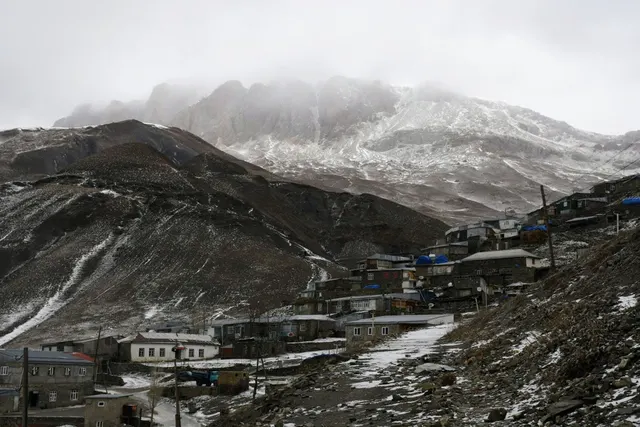
An ancient village at about 2,000 metres, 57 km from Guba, where houses climb the slope so one roof is the next yard. Villagers speak their own Ketsh language. Khinalug and the Köç Yolu migration route are a UNESCO World Heritage Site.
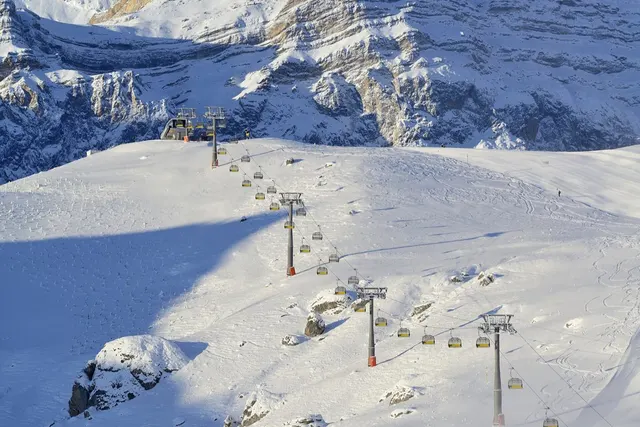
Azerbaijan's first ski resort in Gusar, named after 4,243 metre Mount Shahdag. In summer it offers hiking, horse riding, ziplining and family activities in Shahdag National Park.
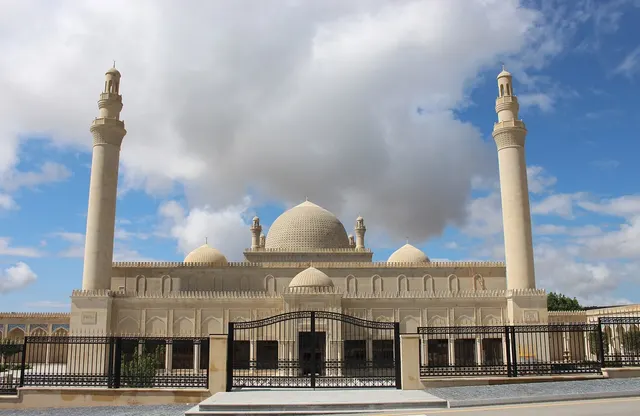
First built in 743 AD, it is the oldest mosque in Azerbaijan and the second oldest in the Caucasus. Destroyed and rebuilt several times, the present building dates from 2013.
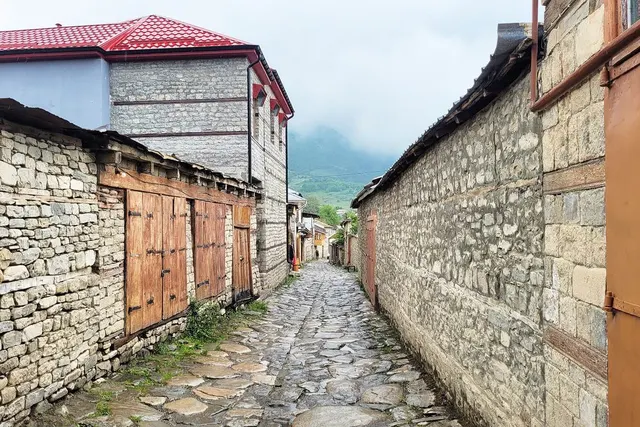
A 2,000 year old mountain village of cobbled lanes and stone houses, famous for its copperware. Over 40 crafts were once practised here, and locals speak their own Tat language.
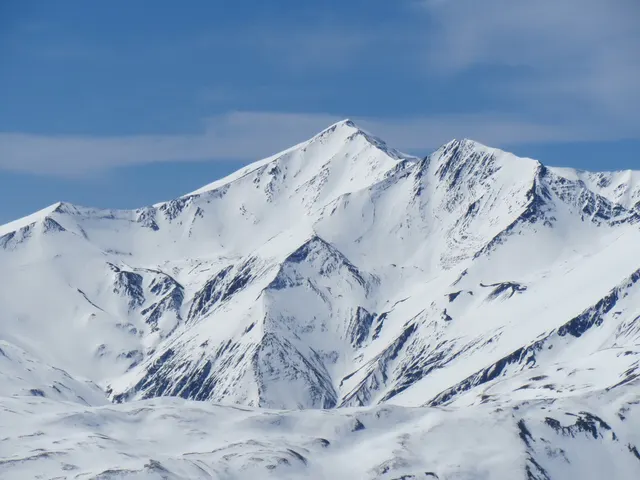
Azerbaijan's outdoor hub at the foot of the Caucasus. Tufandag Mountain Resort has skiing in winter and paragliding in summer, and there are jeep safaris and rafting on the Turyanchay river.
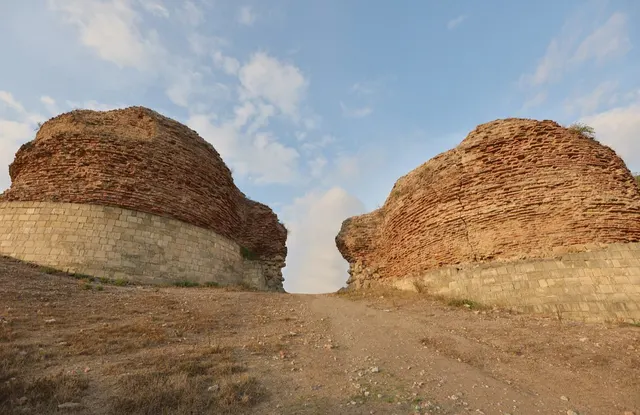
Ruins of the old capital of Caucasian Albania and a Silk Road trading hub, 15 km south west of Gabala. Two round brick towers mark the old southern gate, and a museum explains the 25 hectare site.
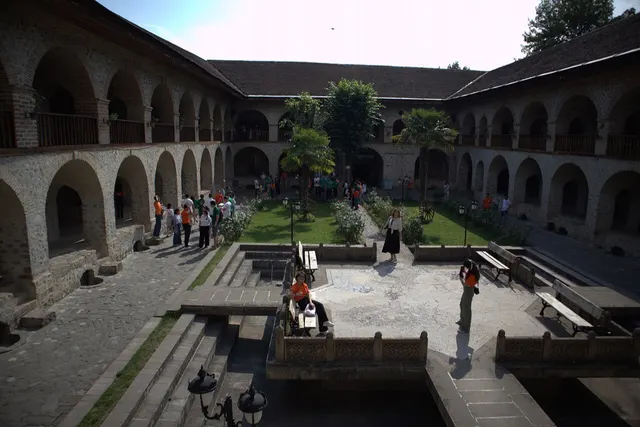
A Silk Road town at the foot of the Greater Caucasus, with cobbled streets, caravanserais and craft workshops. The 18th century Upper Caravanserai still works as a hotel. A UNESCO World Heritage Site together with the Khans' Palace.
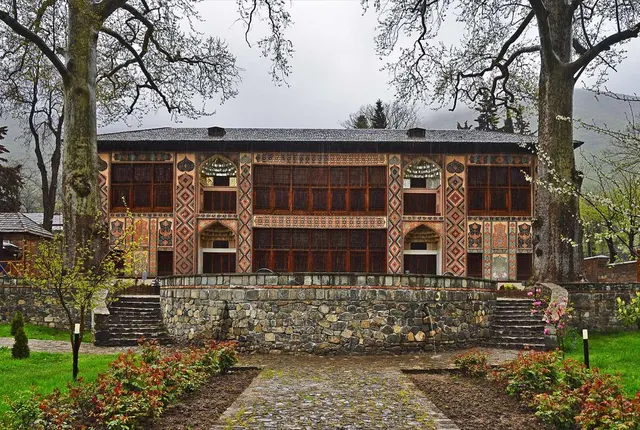
The 18th century administrative palace of the Sheki khans inside the fortress, shaded by 500 year old plane trees. Its frescoes and shebeke windows, made of wood and coloured glass without glue or nails, are masterpieces.
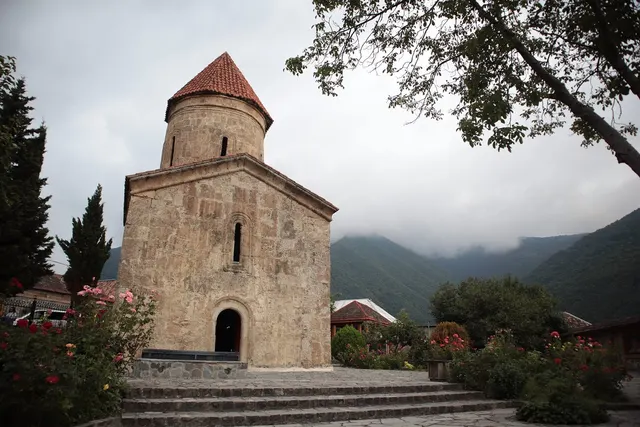
In Kish village, 5 km from Sheki, one of the finest monuments of Caucasian Albania. Its core may date to the 1st century AD, and it now works as a museum with Bronze Age finds.
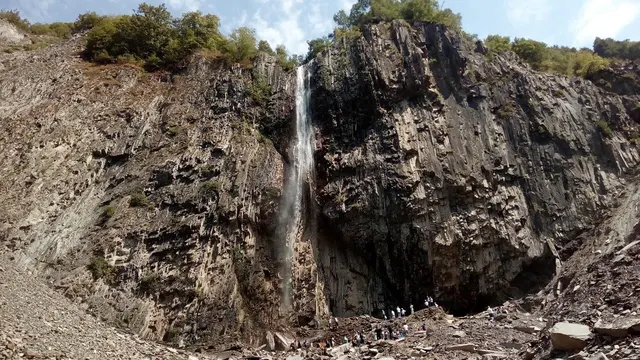
A 25 metre waterfall falling from the cliffs of the Greater Caucasus above Ilisu village in Gakh. About an hour's hike up a steep slope; in winter it freezes.
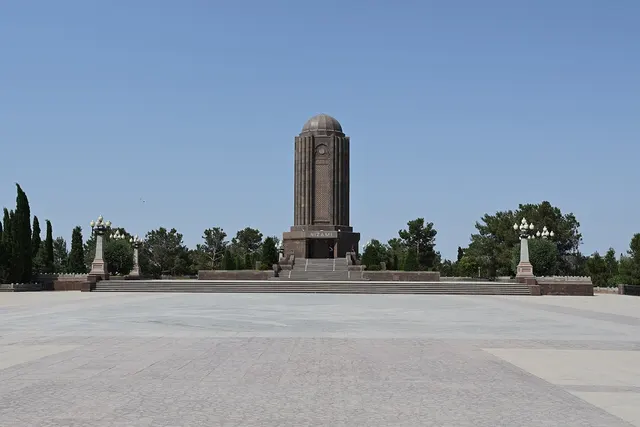
The resting place of the 12th century poet Nizami in Ganja, with a square of sculptures from his Khamsa. The nearby museum shows copies of rare Khamsa manuscripts kept in libraries around the world.
A two storey house finished in 1967 by Ibrahim Jafarov in memory of his brother, lost in World War II. Its walls are covered with 48,000 bottles of different sizes and colours.
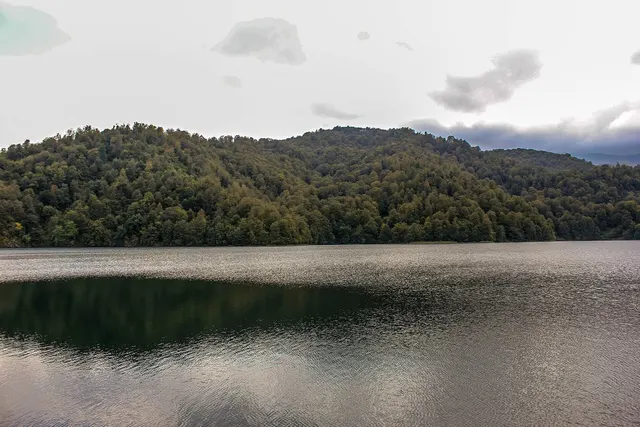
A clear blue lake at 1,500 metres in Goygol National Park, formed by an earthquake in 1139 that blocked a river below Mount Kapaz. Trails lead on to the smaller Lake Maralgol.
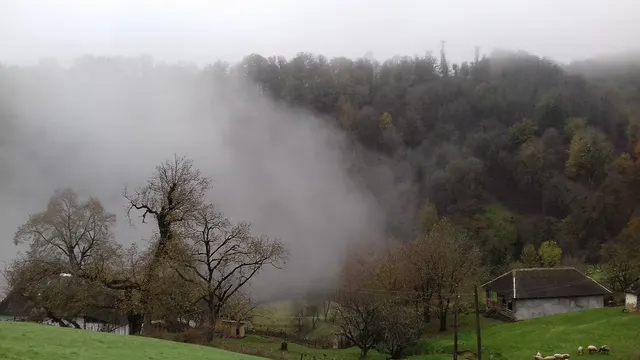
Ancient Hyrcanian forest in the Lankaran and Astara regions, with iron trees that survived the last Ice Age. The forests are a UNESCO World Heritage Site. Marked trails, horse riding and picnics around Khanbulan Lake.
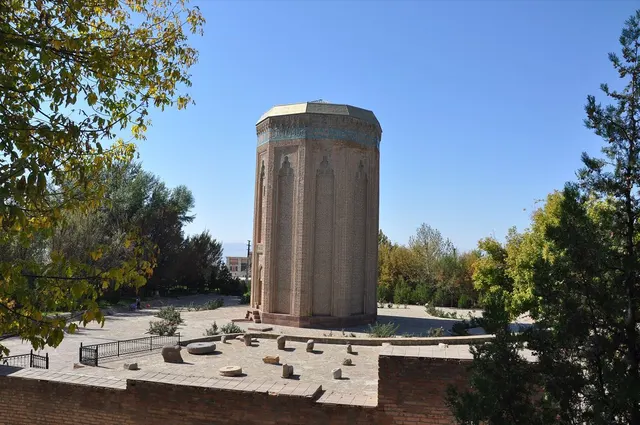
A ten sided 12th century tomb in Nakhchivan City by the architect Ajami Nakhchivani, a gem of the Nakhchivan school with red brick and turquoise tiles. It honours the wife of the ruler Shamsaddin Eldaniz.
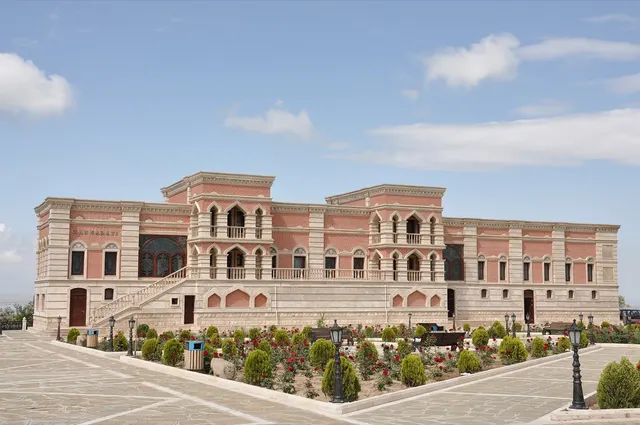
Residence of the rulers of the Nakhchivan Khanate from the mid 18th to the early 20th century. Since 2010 its three ornate floors with shebeke windows house a museum of the khanate period.
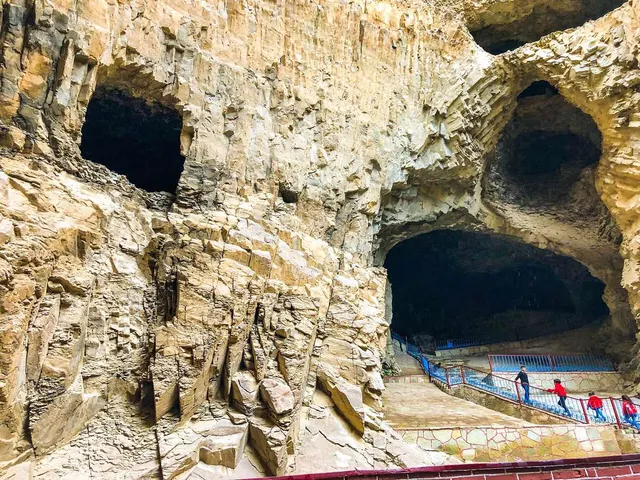
A holy cave complex about 12 km east of Nakhchivan City, linked to the story of the Seven Sleepers. Stairs lead to a mosque and shrines, and it is a popular pilgrimage site.
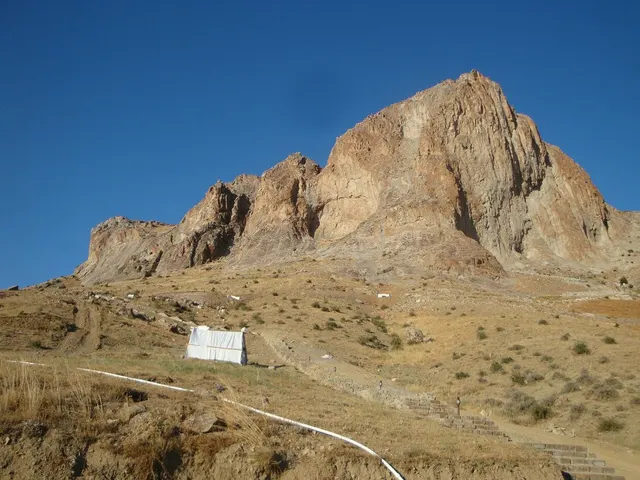
A rebuilt medieval fortress on a craggy peak in Julfa that held out against Tamerlane for 14 years. Visit the museum at the bottom, then climb about 1,500 steps for huge views.
Azerbaijan Tourism BoardTourist call centre: +994 12 505 8704
Checked October 28, 2026 · Official source
Your documents, your deadlines and this guide, on your phone, private and free.
Sroky is a private service and is not part of the government of Azerbaijan. This page is general information, not legal advice. Rules change: the official source always applies.